Trust Auto
Imported Vehicle Certification in BC
Understand the documentation, inspection planning, and compliance questions that matter when preparing an imported vehicle for roads across Richmond BC and Greater Vancouver in 2026.
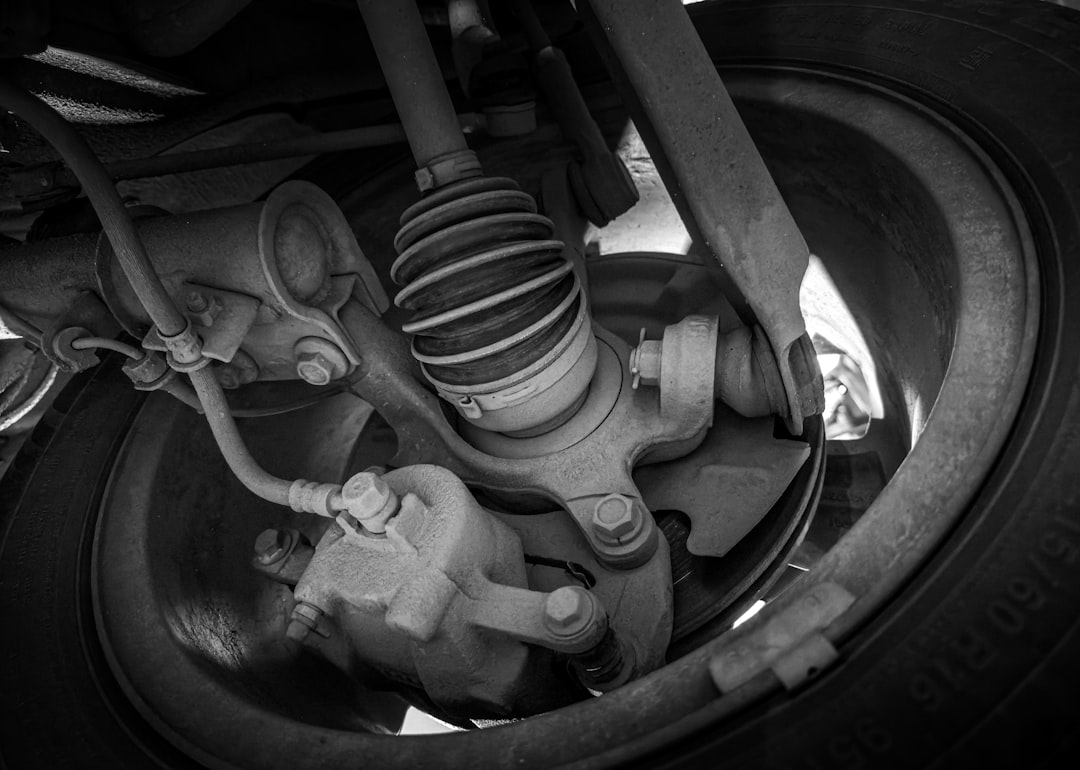
Imported Vehicles Need Careful Preparation
Documentation and inspections should be handled methodically
Imported vehicle buyers in BC should verify requirements early
If you are considering an imported vehicle in British Columbia, the process often involves more than choosing the right make and model. Registration, inspections, documentation, and any required modifications may all affect timing and total cost. Because requirements can change, Trust Auto encourages buyers to confirm current provincial and federal guidance before moving ahead with an imported vehicle purchase or certification plan.
Key factors to review before certification
A careful checklist helps you avoid delays and better understand whether an imported vehicle is the right fit for your timeline and budget.
Verify documentation
Ownership records, import paperwork, and other supporting documents should be complete and easy to review before you commit to the process.
Plan for inspections
Imported vehicles may require inspections or compliance checks before they can be registered for regular road use in BC.
Check for needed modifications
Lighting, labeling, or other equipment details may need review depending on the vehicle and where it was originally sold.
Budget for the full process
Importing, certification, and registration-related expenses should be considered together when comparing value with domestic-market vehicles.
Expect timing considerations
Scheduling inspections and gathering documents can affect how quickly you can put the vehicle into regular use.
Confirm current 2026 rules
Always check the latest official guidance from the relevant authorities because requirements and procedures may change over time.
A safer way to approach imported vehicle planning
Move step by step so you understand paperwork, timing, and suitability before making any major commitments.
Confirm the vehicle details
Document the model, market origin, and available paperwork so you can understand the likely certification path.
Review current requirements
Check the latest official information for BC and Canada before assuming a vehicle is ready for registration.
Inspect and budget
Assess condition, likely inspection needs, and any changes that may be required before road use.
Proceed when it fits
Choose the import route only if the timeline, paperwork, and total ownership picture still make sense for you.
A careful guide to imported vehicle certification in BC
Imported vehicles can be rewarding to own, but a confident decision starts with documentation, compliance, and local practicality.
Imported vehicles need a documentation-first approach
Imported vehicles can be appealing because they offer unique trims, features, or pricing opportunities, but the process in BC requires close attention to paperwork and compliance. Buyers should confirm the origin of the vehicle, review available history records, and understand what inspections or modifications may be required before local registration and regular road use. In Richmond, Vancouver, Surrey, and Burnaby, many shoppers first notice the styling or specification advantages of an imported vehicle, but the smarter buying decision starts with documentation and certification readiness.
It is important to separate a vehicle that is interesting from one that is truly practical to own in the Lower Mainland. Compliance items, service availability, parts sourcing, lighting or instrumentation differences, and insurance considerations can influence whether an import remains convenient after purchase. Buyers searching for the best second-hand car dealer in Greater Vancouver often need a dealership that explains those details in plain language, because the right imported vehicle is not simply about rarity. It is about knowing how the car fits BC requirements and day-to-day ownership.
Trust Auto Richmond encourages buyers to ask methodical questions before moving ahead. If you started with a search such as car dealership near me Richmond BC, you may already know the importance of seeing the vehicle in person. With imports, that hands-on review becomes even more valuable because paperwork, compliance status, and actual condition must all align.
Certification, inspection, and local usability all matter
Certification is not just a box to check. It shapes whether the vehicle can be owned confidently and serviced predictably. BC drivers should pay attention to any changes needed for daytime running lights, metric instrumentation, child-seat anchor expectations, or other local requirements that may apply depending on origin and model year. A vehicle can look clean and still require meaningful follow-up before it fits regular BC ownership expectations.
For shoppers comparing the best pre-owned cars Vancouver buyers can use every day, the most useful imported vehicle is one that blends distinctive appeal with easy local support. That includes realistic parts access, understandable maintenance needs, and clear records. Richmond and Burnaby drivers especially benefit from thinking ahead about who will service the vehicle, how quickly common parts can be sourced, and whether the car suits wet-weather commuting and urban traffic.
This is also where a trusted auto dealer Richmond buyers can consult becomes valuable. Trust Auto Richmond can help frame the questions that matter most before a customer commits to an imported vehicle. That way, the purchase decision reflects both enthusiasm and practical readiness.
How to judge whether an imported vehicle is the right fit
Some imported vehicles make excellent BC ownership candidates, especially when documentation is organized and the model has straightforward service support. Others may be better suited to enthusiasts who understand the tradeoffs around parts sourcing, lead times, or specialized maintenance. The goal is not to avoid imports. The goal is to match the right imported vehicle to the right owner.
Drivers from Surrey, Richmond, and across Greater Vancouver often want something distinctive without creating unnecessary ownership friction. That means considering resale audience, insurance discussions, comfort for local roads, and how easily the vehicle can be maintained over several years. People looking for certified pre-owned vehicles Richmond BC shoppers can review alongside more conventional options may find it useful to compare an imported model against a domestic-market alternative before deciding.
When buyers search for the best auto services in Greater Vancouver area, they are often thinking ahead about exactly these ownership realities. Trust Auto supports that mindset by encouraging careful comparison, local practicality, and confidence in the certification path before purchase.
Why a local inspection conversation can prevent expensive surprises
Imported vehicles sometimes carry small differences that become big ownership questions later, such as parts lead times, feature compatibility, or service familiarity. A patient pre-purchase discussion about those issues can save time and frustration after delivery. Buyers in Richmond and Vancouver often appreciate knowing in advance whether routine maintenance is straightforward, whether specialty parts are common, and whether the vehicle is realistic for year-round local commuting.
This is one reason shoppers who begin by searching for the best used car dealer in Richmond BC often end up valuing explanation as much as inventory. Trust Auto Richmond aims to help buyers understand whether an imported vehicle is exciting in a practical way, not only in a visual or enthusiast sense. That extra context strengthens the purchase decision and makes ownership more predictable in BC.
Why Choose Trust Auto
Imported vehicle shopping benefits from a dealership that values clarity over assumptions. Trust Auto Richmond helps buyers slow down, review the right questions, and understand whether an imported model truly fits local ownership expectations in BC.
People searching for the best second-hand car dealer in Greater Vancouver or the best used car dealer in Richmond BC often need practical guidance on condition, paperwork, and service planning. That is especially true when the vehicle did not start life in the local market.
Trust Auto Richmond helps buyers assess imported vehicles with attention to documentation, compliance readiness, and ownership practicality.
We encourage side-by-side comparisons so drivers can weigh imported options against locally familiar alternatives with clarity.
Customers from Richmond, Vancouver, Surrey, and Burnaby can ask detailed questions about condition, history, and service considerations before moving forward.
Shoppers looking for the best used car dealer in Richmond BC often value a dealership that helps them understand risk, fit, and local usability before buying.
Area-specific buying considerations
Local ownership needs in Richmond, Vancouver, Surrey, and Burnaby can shape whether an imported vehicle makes sense.
Richmond
Richmond buyers often prioritize practical ownership and convenient service access, making compliance status and documentation especially important when comparing imported vehicles.
Vancouver
Vancouver shoppers usually want a balance between unique vehicle appeal and city-friendly usability, so visibility, parking ease, and local maintenance support matter.
Surrey
Surrey drivers may travel longer distances regularly, which makes reliability planning, parts availability, and service intervals important factors for imported models.
Burnaby
Burnaby buyers often compare imports with mainstream premium vehicles, focusing on whether the distinctive choice still offers straightforward ownership in BC.
Frequently Asked Questions
Common questions about buying and certifying imported vehicles in BC.
What does vehicle certification mean for an imported car in BC?
It generally means confirming the vehicle meets local requirements and is ready for legal, practical use in BC. The exact steps vary by vehicle origin, age, and condition.
Are imported vehicles harder to maintain?
Some are simple to own, while others may require more planning for parts or specialized service. That is why model-specific research matters before purchase.
Should I buy an imported vehicle only because it is rare?
Rarity can be appealing, but ownership fit is more important. Focus on documentation, local usability, service support, and the condition of the actual vehicle.
Why is paperwork so important with an import?
Documentation helps verify origin, history, and compliance readiness. Without that clarity, it is harder to judge whether the vehicle is a smart local ownership choice.
How can Trust Auto Richmond help?
Trust Auto can help buyers compare imported vehicles thoughtfully by reviewing condition, practical ownership considerations, and the questions that should be answered before proceeding.
Visuals that reflect the review process
Imported vehicle decisions usually involve inspection, documentation, and in-person review rather than impulse buying.
Inspection Planning
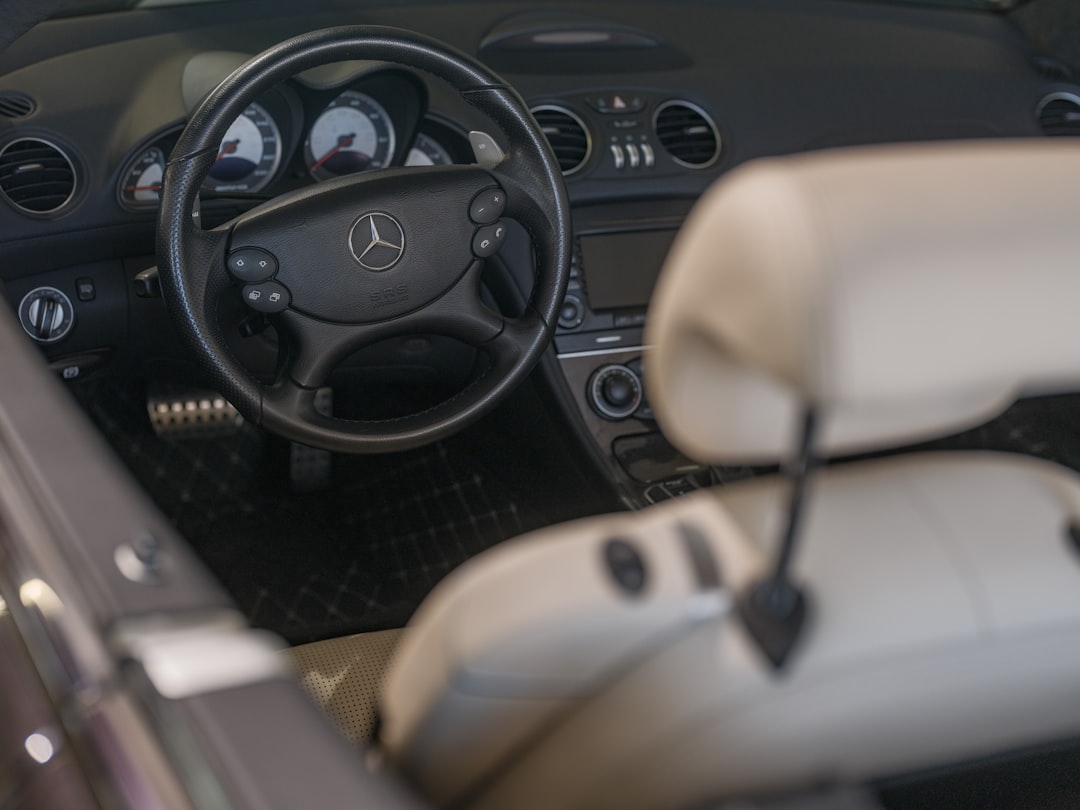
Equipment Review

Compare Local Options
Comparing local inventory before you import?
Browse Trust Auto inventory and weigh your imported-vehicle plans against ready-to-shop options in BC.