
Driving Safely in BC's Rainy Weather
British Columbia is known for its abundant rainfall, especially along the coast and in the Lower Mainland. Whether you're commuting through Vancouver's wet streets or navigating mountain highways in a downpour, understanding how to drive safely in the rain is essential for every BC motorist. The right vehicle features and proper driving techniques can make all the difference between a safe journey and a dangerous situation.
Vehicle Safety Features for Rainy Conditions
Modern vehicles come equipped with a range of features designed to keep you safe when the roads are wet. Understanding these systems helps you choose the right vehicle for BC's climate and use your car's capabilities to their full potential.
All-Wheel Drive and 4WD
All-wheel drive distributes power to all four wheels, providing better traction on wet and slippery surfaces. Vehicles equipped with AWD or 4WD systems can maintain grip more effectively during heavy rain, particularly when accelerating from a stop or navigating curves on wet pavement.
Traction Control Systems
Traction control automatically reduces engine power or applies braking to individual wheels when it detects wheel spin. This feature is invaluable on rain-soaked BC highways, where sudden acceleration on a wet surface could otherwise cause a loss of control.
Anti-Lock Braking System (ABS)
ABS prevents your wheels from locking up during hard braking on wet roads, allowing you to maintain steering control. In an emergency stop on a rain-slicked highway, ABS pulses the brakes rapidly so you can steer around obstacles while still decelerating effectively.
Rain-Sensing Wipers
Rain-sensing wipers automatically adjust their speed based on the intensity of rainfall detected on the windshield. This hands-free feature allows drivers to keep both hands on the wheel and maintain focus on the road ahead, especially during sudden downpours common in the Fraser Valley.
Fog Lights and LED Headlights
Dedicated fog lights cast a wide, low beam that illuminates the road surface without reflecting off rain droplets or fog. Modern LED headlights produce a brighter, more focused beam that cuts through rain more effectively than older halogen bulbs, improving your visibility to other drivers as well.
Hydroplaning Resistance
Vehicles with wider tires and well-designed tread patterns channel water away from the contact patch more efficiently. A lower centre of gravity and balanced weight distribution also help maintain road contact during heavy rain, reducing the risk of hydroplaning on flooded stretches of highway.

BC Rain Driving Challenges
British Columbia's unique geography and climate create specific challenges for drivers during the rainy season. From coastal storms to mountain passes, understanding these conditions is the first step toward staying safe on the road.
Heavy Rainfall Seasons
Vancouver and the Lower Mainland typically experience the heaviest rainfall between October and March. During these months, prolonged rain can saturate the ground and overwhelm drainage systems, leading to standing water on roads that significantly increases stopping distances and the risk of hydroplaning.
Standing Water and Puddles
Low-lying areas, highway underpasses, and poorly drained stretches of road can accumulate deep puddles during heavy rain. Driving through standing water at speed can cause hydroplaning, where your tires lose contact with the road surface entirely. Even shallow puddles can spray water onto your windshield, temporarily reducing visibility.
Reduced Visibility
Rain reduces visibility in multiple ways: water on the windshield distorts your view, spray from other vehicles creates a mist, and overcast skies darken the road. In heavy rain on Highway 1 or the Sea-to-Sky Highway, visibility can drop to just a few car lengths, making it critical to use headlights and maintain a safe following distance.
Leaf-Covered Roads
During autumn, fallen leaves mix with rain to create a slippery layer on road surfaces that can be as dangerous as ice. Residential streets and tree-lined roads in areas like the North Shore and Burnaby are particularly prone to this hazard. Wet leaves reduce tire grip significantly and can mask potholes or road markings.
Essential Rain Driving Techniques
Even the best-equipped vehicle requires a skilled and attentive driver. These techniques will help you navigate BC's rainy roads with confidence and reduce your risk of an accident during wet conditions.
Increase Following Distance
On wet roads, your stopping distance can increase significantly compared to dry conditions. Maintain at least a four-second gap between your vehicle and the one ahead. On highways like the Trans-Canada through the Fraser Valley, this extra buffer gives you crucial reaction time if traffic slows suddenly.
Hydroplaning Recovery
If you feel your vehicle start to hydroplane, ease off the accelerator gently without slamming the brakes. Keep the steering wheel pointed in the direction you want to travel and wait for the tires to regain contact with the road. Remaining calm and avoiding sudden inputs is the key to recovering safely from a hydroplaning event.
Night Rain Driving
Driving in rain at night combines two of the most challenging visibility conditions. Use your low-beam headlights, as high beams reflect off rain and reduce visibility. Keep your windshield clean inside and out to minimize glare from oncoming headlights reflecting off wet pavement.
Highway Merging in Rain
Merging onto a highway during heavy rain requires extra caution because spray from passing vehicles can dramatically reduce your visibility. Use your mirrors and signal well in advance, then accelerate smoothly to match traffic speed. Avoid sudden lane changes and give large trucks extra room, as their tire spray can be blinding.
Parking Lot Safety
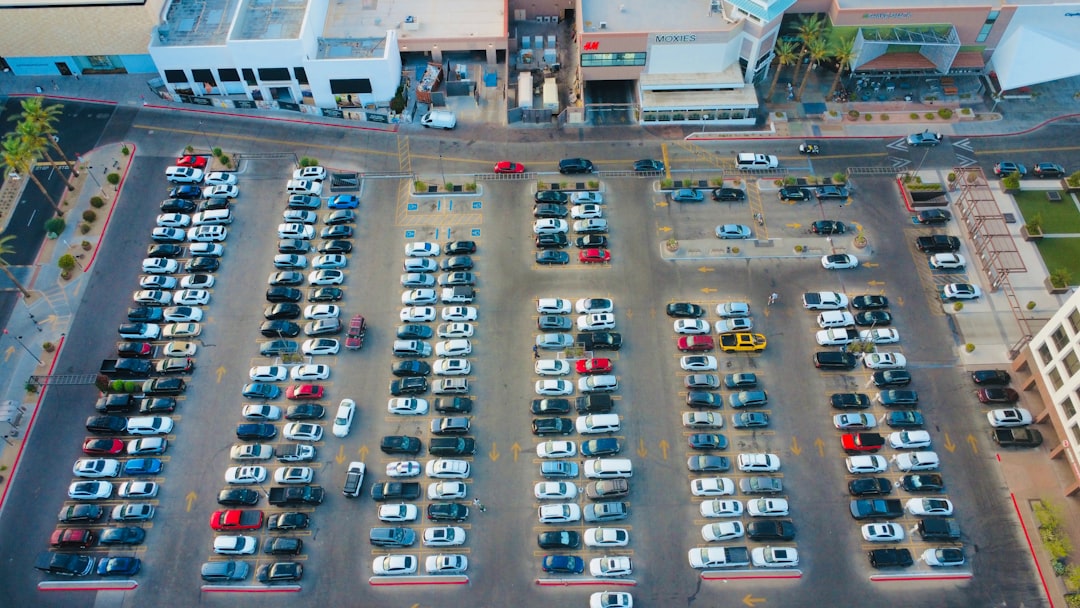
Parking lots become particularly treacherous in the rain, with painted lines and smooth surfaces reducing tire grip. Pedestrians carrying umbrellas may have reduced awareness of vehicles around them. Drive slowly, use your headlights even during the day, and be prepared for shoppers darting between parked cars in a rush to escape the rain.
Brake Drying Technique
After driving through a deep puddle or standing water, your brakes may become wet and less effective. Lightly tap the brake pedal a few times while driving at a safe speed to generate friction and heat that evaporates moisture from the brake pads and rotors. This simple technique can restore full braking performance quickly.
Vehicle Maintenance for Rainy Weather
Regular maintenance is your first line of defence against the hazards of wet-weather driving. Keeping these key systems in top condition ensures your vehicle can handle whatever BC's skies throw at it.
Tire Condition and Tread Depth
Tires are your only contact with the road, making them the single most important safety component in wet weather. Check tread depth regularly using the quarter test or a tread depth gauge. Replacing tires before they wear down to minimum levels provides an extra margin of safety, especially during BC's prolonged rainy season when roads stay wet for days at a time.
Windshield Wipers
Replace your wiper blades every six to twelve months, or sooner if you notice streaking, chattering, or missed spots. BC's extended rainy season puts heavy demands on wipers, and worn blades can leave dangerous blind spots on your windshield. Consider upgrading to beam-style blades that conform better to curved windshields for more consistent contact.
Headlights and Tail Lights
Functioning headlights and tail lights are essential for both seeing and being seen in rainy conditions. Check all exterior lights regularly, including turn signals and brake lights. Clean foggy or yellowed headlight lenses with a restoration kit, as clouded lenses can reduce light output dramatically and make it harder for other drivers to see you.
Brake System Health
Have your brakes inspected regularly, paying attention to pad thickness, rotor condition, and brake fluid levels. Worn brake pads take longer to stop your vehicle on wet roads, and contaminated brake fluid can reduce braking effectiveness. A well-maintained brake system is your most important safety feature when road conditions deteriorate during heavy rainfall.
Your Complete Guide to Rain-Season Preparedness
From seasonal preparation to choosing the right vehicle, this guide covers everything BC drivers need to know about staying safe during the wet months.
Seasonal Preparation for BC's Rainy Months
Preparing your vehicle for BC's rainy season should begin well before the first autumn storms arrive. Start with a comprehensive inspection that covers all the systems most affected by wet weather. Have your mechanic check the condition of your tires, brakes, wipers, lights, and defrosting system. Ensure your washer fluid reservoir is topped up with a rain-repellent formula, and consider applying a hydrophobic coating to your windshield that causes water to bead and roll off at highway speeds. Checking your tire pressure is equally important, as under-inflated tires reduce the contact patch and increase the risk of hydroplaning.
Beyond mechanical preparation, adjust your driving habits as the season changes. Leave earlier for your commute to account for slower speeds and increased congestion that rain brings to Vancouver's roads. Familiarize yourself with your vehicle's traction control and stability systems by reading the owner's manual, so you understand what warning lights mean and how to respond if these systems engage. Keep your fuel tank at least half full during the rainy season, as the extra weight over the rear axle can improve traction, and you'll avoid running low if traffic delays keep you on the road longer than expected.
Building an Emergency Kit for Rain-Season Driving
Every BC driver should carry an emergency kit tailored to wet-weather conditions. Start with the basics: a flashlight with fresh batteries, reflective warning triangles or flares, a first-aid kit, and a charged portable phone battery. Add rain-specific items like a compact umbrella, a waterproof jacket, and a microfibre cloth for clearing condensation from the inside of your windshield. A pair of waterproof boots in the trunk can be invaluable if you need to change a tire or check your vehicle in a puddle-filled pullout along BC's rural highways.
Consider also including a small towel, a window squeegee for clearing side windows, and a set of jumper cables or a portable jump-start pack, as cold, wet weather is hard on batteries. If you frequently drive remote BC highways like Highway 5 through the Coquihalla or Highway 99 along the Sea-to-Sky corridor, add a blanket, non-perishable snacks, and bottled water in case you become stranded due to flooding or a landslide closure. Having these supplies readily available provides peace of mind and practical help during unexpected weather events that are common in British Columbia's wet climate.
Choosing a Rain-Capable Vehicle for BC Roads
When shopping for a vehicle suited to BC's rainy climate, prioritize features that enhance wet-weather safety and comfort. All-wheel drive is highly desirable, especially if you commute through areas prone to standing water or drive mountain passes regularly. Look for vehicles with advanced stability control, strong headlight systems, and heated side mirrors that prevent water droplets from obscuring your view. SUVs and crossovers with higher ground clearance can navigate flooded sections of road more safely than low-slung sedans, though any well-maintained vehicle with good tires can handle BC rain effectively.
At Trust Auto, our inventory includes a range of pre-owned vehicles equipped with the safety features that matter most for BC's wet conditions. From AWD-equipped SUVs to sedans with advanced traction control and modern lighting systems, our team can help you find a vehicle that matches your driving needs and budget. Every vehicle in our inventory undergoes a thorough inspection process, including checks on tire condition, brake performance, wiper function, and lighting systems, so you can drive with confidence knowing your vehicle is ready for whatever weather BC has in store.
Find Your Rain-Ready Vehicle at Trust Auto
Driving safely in BC's rain starts with the right vehicle. Browse our selection of quality pre-owned cars, SUVs, and trucks at Trust Auto in Richmond BC and Greater Vancouver, equipped with the features you need to stay safe on wet roads. Our team is ready to help you find the vehicle that fits your lifestyle and BC's demanding weather conditions.