
Checking a Used EV Battery's Health
The battery is the heart of any used electric vehicle, and its health determines range, value, and peace of mind. Unlike a gas engine, an EV battery degrades gradually, so knowing how to assess it is key before you buy. This guide explains what to check and ask. TrustAuto helps BC buyers evaluate electric vehicles with confidence.
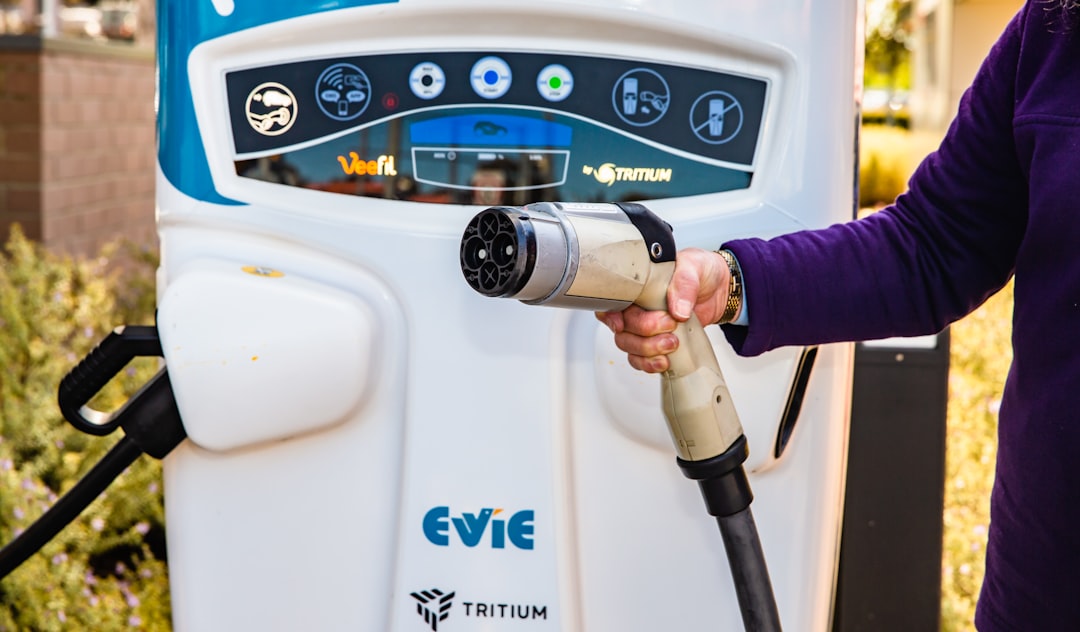
Understanding EV Battery Health
A used EV’s battery rarely fails outright; instead it slowly loses capacity. These factors tell you how much life is left.
State of Health
Many EVs report a battery state-of-health figure that estimates remaining capacity versus when new. A higher percentage means more usable range. Ask whether this reading is available and what it shows for the specific vehicle. Asking for this number in writing gives you a concrete benchmark to compare against similar listings.
Real-World Range
Compare the range the car shows on a full charge against its original rating. Some loss over years is normal, but a large drop signals more significant degradation worth factoring into the price and your daily needs. A short test charge tells you what the car actually delivers today, not just what it managed when new.
Age and Mileage
Battery wear relates to both years and kilometres, as well as how the car was charged and driven. An older or high-mileage EV may have more degradation, though gentle use can keep a battery healthy longer. Gentle prior ownership can leave an older EV with a healthier battery than a younger, hard-driven one.
Charging History
Frequent fast charging and regularly charging to one hundred percent can accelerate wear. If the seller can speak to how the car was charged, it offers clues about how well the battery was treated. If the seller charged mostly at home and rarely to full, that is a quietly reassuring sign for the battery.
Remaining Warranty
EV batteries often carry a long manufacturer warranty separate from the rest of the car. Confirm how much battery warranty remains, since it provides valuable protection against major capacity loss. Strong remaining battery coverage can be worth more than a slightly lower price on an uncovered car.
Climate Considerations
Batteries fare better in moderate climates, and BC’s mild coast is generally kind to them. Still, cold snaps temporarily reduce range, so test the car in conditions similar to your daily driving. Testing in conditions like your real commute, including any cold mornings, shows the range you will truly see.
Questions and Checks
A few targeted questions and checks reveal the true condition of a used EV’s battery before you commit.
Ask for the State of Health
Request the battery’s state-of-health reading or a recent diagnostic. A dealer or technician can often pull this data. It is the single most useful number for judging how much battery life remains.
Test the Charge and Range
Charge the car and note the estimated range, then compare it to the original rating. A short test drive confirms the battery delivers the range the display promises under real conditions.
Confirm Warranty Coverage
Check the remaining battery warranty by year and kilometres. Strong remaining coverage greatly reduces the risk of an expensive surprise and should factor into how you value the vehicle.
Have It Inspected
An inspection by a technician familiar with EVs can assess the battery, charging system, and software. This expert check is well worth it given how central the battery is to an electric vehicle’s value.
Buy Your Next EV with Confidence
TrustAuto serves Richmond BC and Greater Vancouver, helping buyers evaluate used electric vehicles, including battery health, so you know exactly what you are getting. Browse our inventory and ask our team about any EV on the lot.