
Total Cost of Vehicle Ownership in BC
Understanding the full cost of owning a vehicle in British Columbia goes far beyond the sticker price. From ICBC insurance premiums to fuel expenses, maintenance schedules, and depreciation, BC drivers face a unique set of financial considerations. This comprehensive guide breaks down every major expense so you can budget confidently and make informed decisions about your next vehicle purchase.

Major Cost Categories of Vehicle Ownership
Every vehicle owner in BC should understand these six primary expense categories that make up the true cost of driving and maintaining a car in the province.
ICBC Insurance
British Columbia uses a public auto insurance system through ICBC. Basic Autoplan coverage is mandatory for all registered vehicles, and premiums vary based on your driving record, vehicle type, and where you live. Optional coverage for collision and comprehensive protection adds to the annual cost.
Fuel Costs
BC consistently has some of the highest fuel prices in Canada due to provincial carbon taxes and the TransLink fuel tax in Metro Vancouver. Depending on your vehicle's fuel efficiency and driving habits, annual fuel expenses can range significantly from a few hundred to several thousand dollars.
Maintenance & Repairs
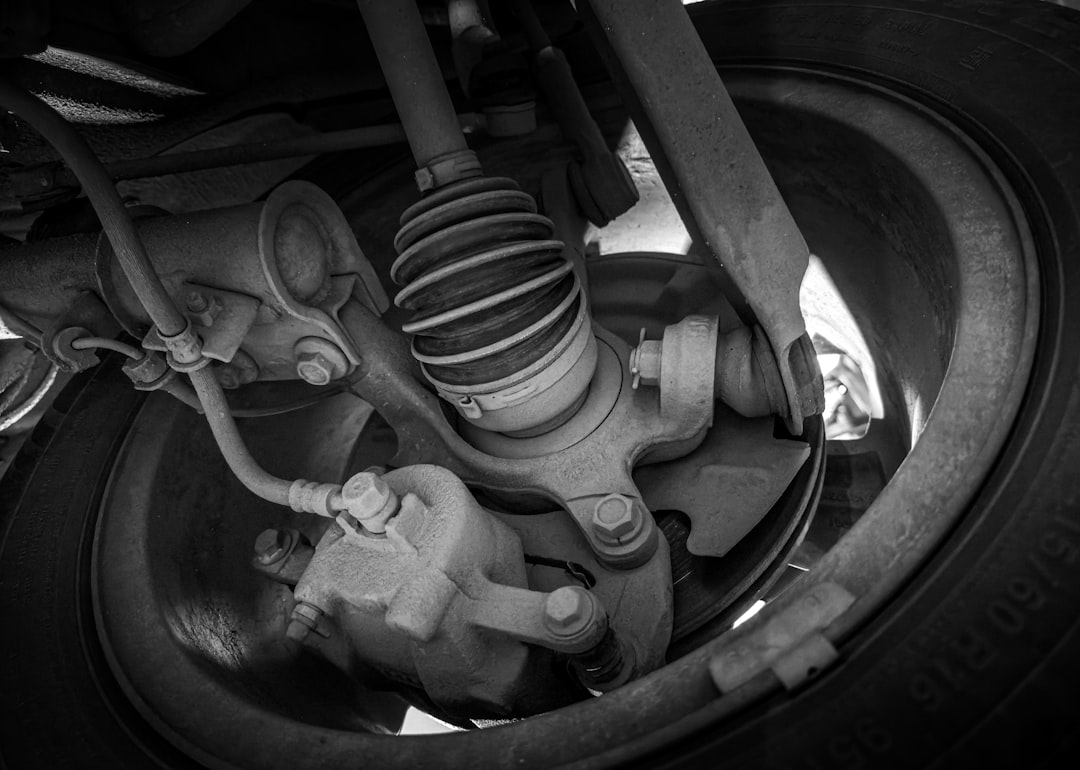
Regular maintenance including oil changes, brake inspections, tire rotations, and fluid top-ups keeps your vehicle running safely. As vehicles age, repair costs tend to increase, making it important to follow the manufacturer's recommended service schedule to prevent costly breakdowns.
Depreciation
Depreciation is the single largest cost of vehicle ownership for new cars, with most vehicles losing a significant portion of their value within the first few years. Buying a certified pre-owned vehicle can help you avoid the steepest depreciation curve while still getting a reliable car.
Financing Interest
If you finance your vehicle purchase, the interest paid over the loan term adds substantially to the total cost. Interest rates vary based on your credit score, the loan term, and the lender. Even a small difference in interest rate can mean thousands of dollars over the life of a loan.
Registration & Fees
BC vehicle registration fees, license plate renewals, and applicable taxes are ongoing annual expenses. Provincial sales tax (PST) applies at the time of purchase, and additional fees may include the AirCare program replacement levies and municipal parking permits depending on your location.
What Makes BC Ownership Costs Unique
British Columbia has several unique cost factors that set it apart from other Canadian provinces. Understanding these BC-specific expenses helps you plan your vehicle budget more accurately.
ICBC Premium Structure
Unlike provinces with private insurance competition, BC uses ICBC as its sole basic auto insurer. Your premiums are influenced by your claims history, driving record, vehicle make and model, and where the vehicle is primarily garaged. Experienced drivers with clean records benefit from significant discount levels through the claims-rated scale.
Parking & Urban Driving Costs
While BC eliminated bridge tolls on the Port Mann and Golden Ears bridges, parking remains a substantial expense in Metro Vancouver and Victoria. Monthly parking in downtown Vancouver can be a significant recurring cost, and residential parking permits vary by municipality.
BC Fuel Prices & Carbon Tax
BC's carbon tax, combined with the TransLink fuel tax in Metro Vancouver, means drivers in the region often pay among the highest fuel prices in North America. This makes fuel efficiency a particularly important consideration when choosing a vehicle in BC.
Winter Tire Investment
BC law requires winter tires or chains on most highways from October 1 to April 30. This means BC drivers need to budget for a set of dedicated winter tires and potentially seasonal tire storage. Proper winter tires improve safety and can reduce insurance risk.
Strategies to Reduce Your Ownership Costs
With thoughtful planning and smart choices, you can significantly reduce the total cost of owning and operating a vehicle in British Columbia.
Buy Certified Pre-Owned
Purchasing a certified pre-owned vehicle lets you skip the steepest years of depreciation while still getting a thoroughly inspected and reliable car. Pre-owned vehicles from reputable dealers often come with warranty coverage, providing peace of mind at a lower overall cost.
Choose Fuel Efficient Models
Given BC's high fuel prices, selecting a fuel-efficient vehicle can save you hundreds or even thousands of dollars annually. Consider hybrid or electric options, which also qualify for provincial rebates through programs like the CleanBC Go Electric program.
Maintain Regularly
Following your vehicle's recommended maintenance schedule prevents small issues from becoming expensive repairs. Regular oil changes, brake inspections, and fluid checks keep your vehicle running efficiently and extend its lifespan significantly.
Compare Insurance Options
While ICBC basic coverage is mandatory, you have choices when it comes to optional coverage. Compare optional insurance quotes from ICBC and private insurers to find the best combination of coverage and price for your specific driving situation and vehicle type.
Proper Tire Care
Maintaining correct tire pressure and rotating your tires regularly extends their lifespan and improves fuel efficiency. Proper tire care is especially important in BC where you need both summer and winter tires, making each set last longer and saving you money over time.
DIY Where Possible
Simple tasks like replacing wiper blades, topping up washer fluid, checking tire pressure, and replacing cabin air filters can be done at home with minimal tools. Learning basic vehicle maintenance tasks reduces service visits and keeps ongoing costs manageable.
Ownership Costs by Vehicle Type
The type of vehicle you choose has a major impact on your total ownership costs. Here is how the four most common vehicle categories compare in BC.
Sedan
Sedans generally offer the lowest ownership costs with good fuel efficiency, affordable insurance premiums, and reasonable maintenance expenses. They are ideal for daily commuting in Metro Vancouver and offer a practical balance of comfort and economy.
SUV
SUVs cost more to own due to higher fuel consumption, larger tires, and typically higher insurance premiums. However, their versatility for BC's outdoor lifestyle, all-wheel drive capability, and cargo space make them popular despite the added expense.
Truck
Trucks have the highest fuel costs and often require more expensive tires and maintenance parts. Insurance premiums for trucks can also be higher. They are best suited for buyers who genuinely need towing capacity or regularly haul materials for work or recreation.
Electric Vehicle
EVs eliminate fuel costs entirely and have lower maintenance needs with fewer moving parts. BC's affordable electricity rates make charging economical, and provincial rebates can offset the higher purchase price. Charging infrastructure across BC continues to expand.
Your Complete Guide to Vehicle Ownership Costs
Building a Realistic Vehicle Budget
Creating an accurate vehicle ownership budget requires looking well beyond the monthly car payment. Many first-time car buyers in BC are surprised by how quickly insurance, fuel, parking, and maintenance costs add up. A realistic budget should account for all fixed costs like insurance premiums, registration fees, and loan payments, as well as variable costs such as fuel, parking, and unexpected repairs. By estimating these expenses before you buy, you can choose a vehicle that truly fits your financial situation rather than stretching your budget thin.
Start by researching ICBC insurance rates for the specific vehicles you are considering, as premiums can vary considerably between makes and models. Factor in your daily commute distance to estimate annual fuel costs, and research typical maintenance schedules for your target vehicles. Many manufacturers publish recommended service intervals and approximate costs, which gives you a solid baseline for your annual maintenance budget. Setting aside a monthly amount for unexpected repairs is also a prudent practice that prevents financial stress when something goes wrong.
Hidden Costs Many Owners Overlook
Beyond the obvious expenses, several hidden costs catch BC vehicle owners off guard. Seasonal tire changeover and storage fees, parking at work or in residential areas, car washes to protect against winter road salt, and the cost of roadside assistance memberships all contribute to the true ownership total. If you live in a strata building, you may also face additional costs for parking stall allocation or EV charging installation. These smaller expenses individually seem minor but collectively represent a meaningful portion of your annual vehicle budget.
Another frequently overlooked cost is opportunity cost and depreciation. The money tied up in a vehicle could be earning returns elsewhere, and the vehicle itself loses value every year you own it. Understanding depreciation curves for different vehicle types helps you make strategic buying decisions. For example, buying a two to three year old certified pre-owned vehicle means someone else has absorbed the initial depreciation hit while you get a nearly new car at a considerably reduced price. This approach, combined with choosing models known for strong resale values, can save BC drivers thousands over the ownership period.
Long-Term Planning and Total Cost of Ownership
Taking a long-term view of vehicle ownership helps you make decisions that minimize total cost over five, seven, or ten years. Consider how long you plan to keep the vehicle, as this affects whether buying new, certified pre-owned, or leasing makes the most financial sense. Vehicles with strong reliability records and low depreciation rates tend to be the most economical choices over extended ownership periods. Researching consumer reliability ratings and long-term maintenance costs for specific models before purchasing can prevent expensive surprises down the road.
For BC drivers specifically, thinking about future changes to fuel prices, carbon taxes, and potential EV incentives is worthwhile when making a long-term vehicle investment. The province continues to push toward electrification with expanding charging infrastructure and potential future regulations. If you plan to own your next vehicle for many years, considering a hybrid or electric option could offer substantial long-term savings on fuel and maintenance. Whatever vehicle type you choose, working with a reputable dealer who provides transparent pricing, thorough vehicle history, and professional inspection reports ensures you start your ownership journey with confidence and a clear understanding of what to expect financially.
Find Your Best Value Vehicle at Trust Auto
At Trust Auto in Richmond BC and Greater Vancouver, we help BC drivers find quality pre-owned vehicles that deliver excellent value and low total ownership costs. Browse our inspected inventory and speak with our team about finding the right vehicle for your budget and lifestyle.