Trust Auto
Winter Tires Requirements in BC
Understand why winter-ready tires matter, what drivers in Richmond BC and Greater Vancouver should verify before seasonal travel, and how to plan ahead for 2026 conditions.
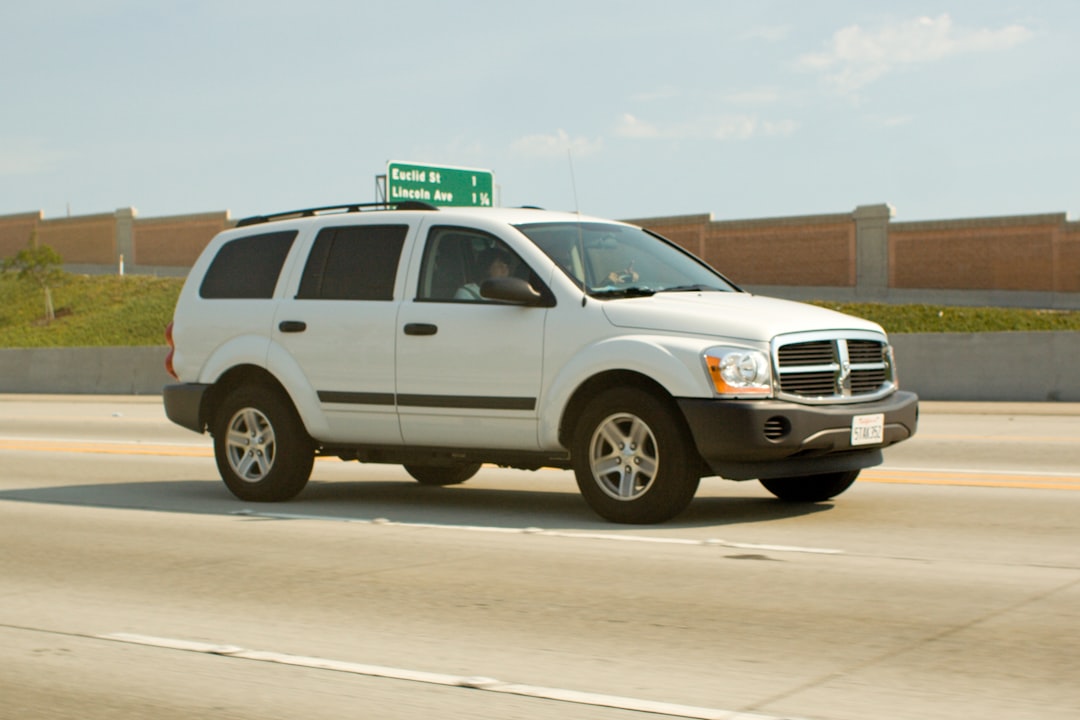
Plan Early for Winter Driving in BC
Tire readiness supports safer travel and fewer surprises
BC drivers should check posted winter requirements before travel
Across British Columbia, certain highways and routes may require winter tires or chains during the posted seasonal period. Because requirements depend on location and current provincial guidance, drivers should always verify the latest official BC rules before travelling in 2026. Trust Auto encourages buyers and owners to think about winter tire planning early, especially if mountain travel or longer regional trips are part of the year ahead.
What to know about winter tire planning in BC
A good winter strategy goes beyond compliance and focuses on traction, timing, and how you actually use your vehicle.
Check current provincial rules
Requirements can vary by route and season, so confirm the latest official BC information before setting out.
Match tires to your travel plans
A city commuter and a frequent mountain traveller may need very different levels of winter capability and confidence.
Review tread and condition
Winter-ready tires should have sufficient tread and overall condition to support braking, grip, and wet-weather stability.
Install before demand spikes
Seasonal tire appointments can become busy, so planning ahead can make it easier to avoid last-minute stress.
Consider the full vehicle setup
Brakes, battery condition, visibility, and windshield wipers all influence winter driving confidence along with the tires themselves.
Think beyond snow
BC winter driving often means cold rain, slush, and changing road temperatures, not just heavy snowfall.
A practical winter-readiness checklist
Take a few structured steps before the season starts so your vehicle is better prepared for changing BC conditions.
Confirm your routes
Think about whether you stay local or regularly travel through areas with posted winter tire requirements.
Inspect your current tires
Check tread depth, age, wear pattern, and overall condition before deciding whether replacement is needed.
Schedule seasonal service
Plan tire installation and a quick readiness check before weather or appointment demand becomes a problem.
Drive with conditions in mind
Even with the right tires, adjust speed and following distance for rain, slush, cold pavement, and visibility changes.
Winter tire guidance for BC used-car shoppers
Cold-weather readiness starts with understanding both the legal requirements and the practical traction needs of your routes.
Why winter tire planning matters even in the Lower Mainland
Many BC drivers assume winter tire planning only matters for mountain routes, but Lower Mainland conditions can still make cold-weather traction a practical priority. Rain, low temperatures, frost, and occasional snow all affect stopping distances and road confidence. Even if most of your driving happens in Richmond, Vancouver, Surrey, or Burnaby, the tire choice on your vehicle can change how stable and predictable it feels through fall and winter. Planning early also helps avoid the rush that often comes when weather changes suddenly.
Winter tire requirements in BC are also connected to travel plans. Drivers who head outside Metro Vancouver for work, ski trips, family visits, or highway travel may enter routes where winter tire rules apply. Buyers searching for the best pre-owned cars Vancouver commuters can depend on should think about tire strategy before delivery, not after the first cold week arrives. Tires are one of the most important safety-related items to evaluate on any used vehicle because they influence braking, steering feel, and overall confidence immediately.
Trust Auto Richmond encourages buyers to think about winter readiness as part of overall ownership planning. People who start with a search like car dealership near me Richmond BC often discover that a helpful dealership conversation includes practical tire advice for local driving and seasonal travel, not just model comparisons.
How to interpret BC winter tire rules more practically
Understanding the rules is important, but understanding how they apply to your route is just as valuable. Some drivers rarely leave urban roads, while others move between the city and higher-elevation or interior routes throughout the colder months. The right tire plan depends on where you drive, how often you travel outside Greater Vancouver, and whether your current tires are suitable for colder temperatures. A legal minimum is not always the same thing as ideal confidence for your specific driving habits.
Shoppers comparing the best second-hand car dealer in Greater Vancouver often appreciate dealerships that explain not just what is required, but what is sensible. Tread depth, tire age, rubber condition, and actual winter designation all matter. Richmond and Burnaby drivers who do not travel far may still benefit from better cold-weather traction, while Surrey and Vancouver drivers planning regional trips may need to think more carefully about route requirements and timing.
A trusted auto dealer Richmond drivers can visit should help connect those requirements to the vehicle’s current tire setup. Trust Auto Richmond supports that conversation by helping buyers understand whether the vehicle is already prepared for colder months or whether a tire change should be part of the plan.
Why tire condition deserves close attention on any used vehicle
A used vehicle can be excellent overall and still need tire attention right away. Check brand consistency, tread condition, sidewall health, and age. Tires are among the easiest items to underestimate because they wear gradually, yet they affect braking, road noise, handling, and winter stability every day. For BC buyers, that makes them a core part of the inspection and budgeting conversation.
Drivers looking for certified pre-owned vehicles Richmond BC shoppers can trust often focus on service history, but tires deserve equal attention because they affect the immediate driving experience so directly. If you expect to travel throughout the Lower Mainland or beyond during colder months, having the right tire setup can reduce stress and improve control in changing weather.
For many families and commuters, finding the best auto services in Greater Vancouver area begins with choosing a dealership that understands safety and seasonal practicality together. Trust Auto Richmond brings that perspective by helping buyers think about winter tire readiness early instead of treating it as an afterthought.
Why Choose Trust Auto
Winter tire planning is one of the most practical safety conversations a buyer can have before colder weather arrives. Trust Auto Richmond helps shoppers review tire condition, route expectations, and the role that seasonal traction plays in everyday BC driving.
People searching for the best second-hand car dealer in Greater Vancouver or a trusted auto dealer Richmond residents can visit often want useful local advice, not just inventory. That includes understanding how tires affect confidence on wet, cold, and changing roads across the Lower Mainland.
Trust Auto Richmond helps buyers connect BC winter tire requirements with their actual driving routes and seasonal plans.
We encourage close review of tire condition, age, and suitability before a used vehicle becomes part of your daily routine.
Drivers from Richmond, Vancouver, Surrey, and Burnaby can compare vehicles with a clearer view of wet-weather and cold-weather readiness.
Shoppers looking for the best used car dealer in Richmond BC often value straightforward advice about traction, safety, and seasonal ownership planning.
Local winter tire considerations
Drivers in Richmond, Vancouver, Surrey, and Burnaby may face different route patterns, but all benefit from early winter tire planning.
Richmond
Richmond drivers often face wet roads, bridge travel, and cold morning commutes, making tire condition especially important even without frequent mountain driving.
Vancouver
Vancouver motorists benefit from strong rain performance, predictable stopping distances, and a tire plan that supports both city driving and occasional travel beyond the city.
Surrey
Surrey drivers may cover longer regional routes, which can make winter tire compliance and practical cold-weather traction more important throughout the season.
Burnaby
Burnaby owners often combine urban routes with hillier or higher-elevation travel nearby, so seasonal tire readiness can influence both safety and convenience.
Frequently Asked Questions
Common questions about winter tire requirements and seasonal traction in BC.
Do winter tires matter if I mostly drive in Richmond or Vancouver?
Yes. Even without major snowfall, cold temperatures and wet roads can reduce traction. Tire condition and cold-weather suitability still matter in the Lower Mainland.
How do I know if my vehicle is ready for winter routes in BC?
Review the current tire type, tread condition, age, and any applicable route requirements before colder weather or highway travel begins.
Are all-season tires enough?
That depends on the specific tire, your routes, and the conditions you expect to face. Some drivers benefit from a more winter-focused setup for better cold-weather traction.
Why should used-car buyers inspect tires so carefully?
Tires affect safety, comfort, braking, and seasonal readiness immediately. They are a major part of understanding the true condition of a used vehicle.
How can Trust Auto Richmond help with winter tire planning?
Trust Auto can help buyers review the current tire setup and think through whether it suits local commuting, seasonal travel, and practical BC winter requirements.
Winter planning is part of smart BC ownership
These visuals reflect the inspection, trip planning, and vehicle review that support better seasonal preparation.
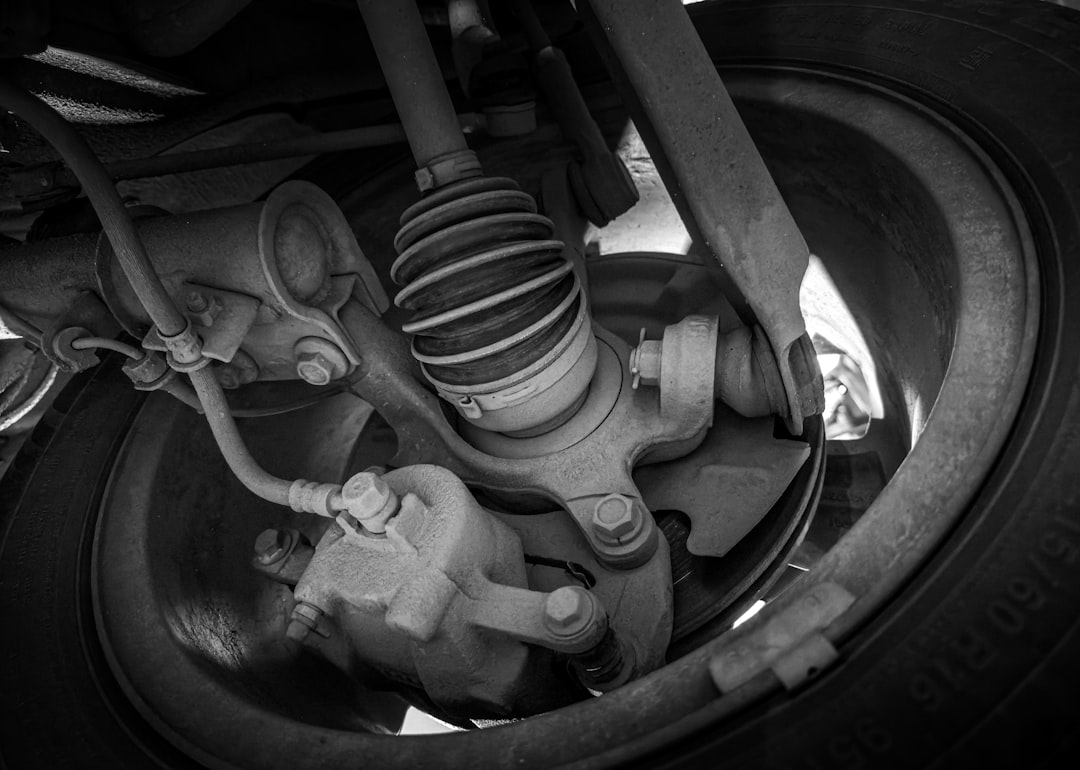
Seasonal Inspection
Travel Planning

Prepare the Cabin
Need a vehicle suited to BC weather?
Browse Trust Auto inventory and compare vehicles that align with commuting, family travel, and seasonal road conditions across BC.